
1 in 5 Australian workers report psychosocial harm at work. Most leaders are still finding their feet.
The WHS Regulations treat psychosocial hazards the same as physical ones - identify, assess, control. We bridge the Code of Practice to the worksite through Corporate Theatre, building leaders who can recognise hazards as they form, not after they compound.
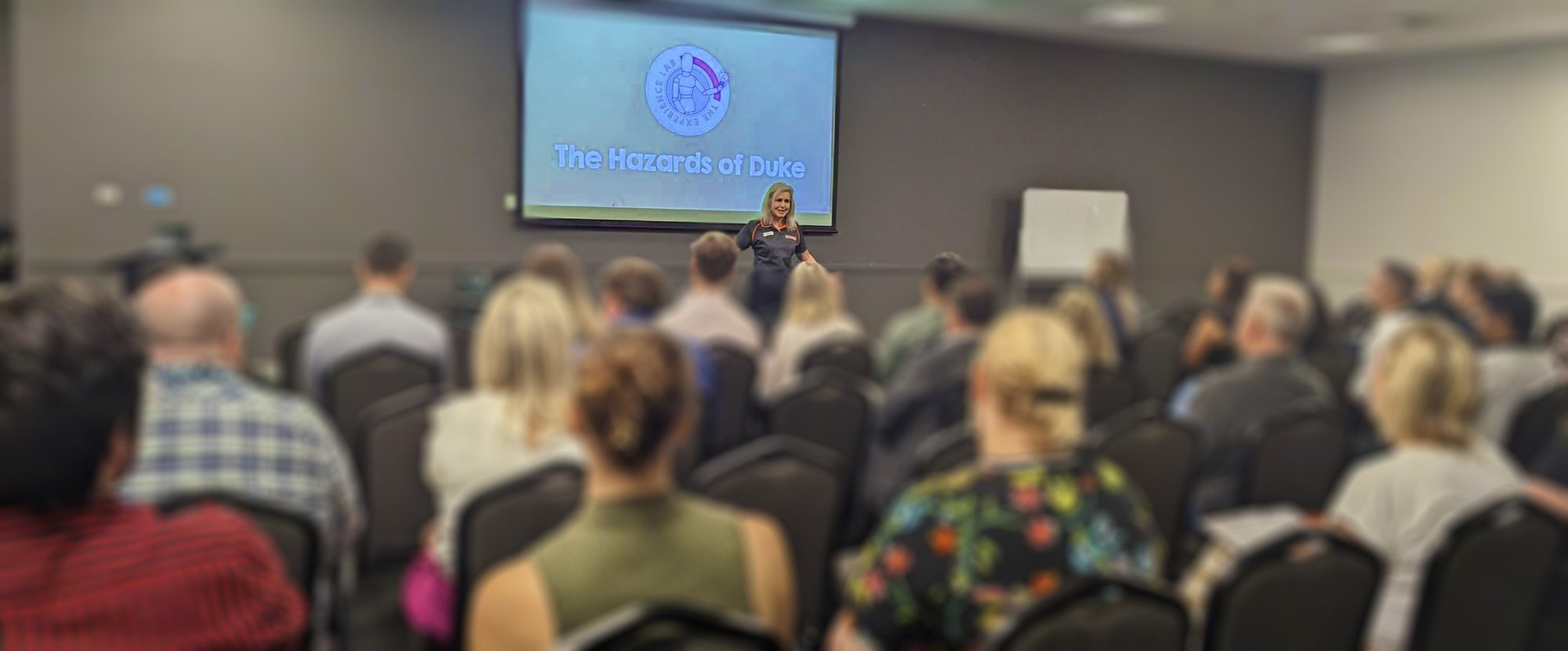
Bridging the Code to the worksite
The Code of Practice names the psychosocial hazards Australian employers are accountable for - from high job demands and low role clarity to traumatic events and remote work. For most organisations that's a substantial new frame. A policy update and a one-hour e-module don't close the gap between “we're aware of the hazards” and “we're actively managing them.”
Real management requires leaders who can recognise hazards as they're forming, respond before they compound, and speak the language of the Code of Practice with their workforce. We bring the hazards into the room through Corporate Theatre - participants watch a reasonable leader apply reasonable pressure and a capable team member still break under it. That's where most organisations carry their real exposure.
Commitment Mapping closes every session. Each participant names the behaviour they'll shift personally - visible, specific, heard by the room. The shift from awareness to accountability happens in that moment, or it doesn't happen at all.
Code of Practice, translated
We turn the legal text into practical language your leaders and teams can use on a Tuesday morning.
The Hazards of Duke
Our flagship Corporate Play for psychosocial work - written with input from FIFO operators and WHS leads.
Leader response drills
Practised conversations for the moment a hazard is forming, not after a complaint is filed.
Site-level risk identification
The session closes with a named-hazard, named-action exercise specific to your operation.
The hazard categories you're now responsible for managing
The WHS Regulations now treat Psychosocial Hazards the same way they've always treated physical hazards. Identify, assess, control. The Code of Practice - Safe Work Australia's model Code at a national level and the WA Code of Practice at state level - names the psychosocial hazards Australian employers are accountable for:
- High or low job demands
- Low role clarity
- Poor workplace relationships
- Low support from supervisors
- Lack of recognition and reward
- Poor organisational justice
- Traumatic events
- Remote or isolated work
- Poor environmental conditions
- Violence and aggression
- Bullying and harassment
- Inadequate change management
For most organisations that's a substantial new frame. A policy update and a one-hour awareness e-module don't close the gap between "we're aware of the hazards" and "we're actively managing them." Real management requires leaders who can recognise the hazards as they're forming, respond before they compound, and speak the language of the Code of Practice with your workforce.
Commitment Mapping
Training becomes impact when learners commit to action. We close every Psychosocial Hazards session with Commitment Mapping - an exercise where each participant names the behaviour they'll shift personally. Visible, specific, heard by the room. The shift from awareness to accountability happens in that moment, or it doesn't happen at all.
Delivery at FIFO and remote sites
Rotational workforces and isolated work are named hazards in the Code of Practice, and they're also where some of the most valuable Psychosocial Hazards training happens. We regularly travel to sites and camps across Western Australia and nationally.
The plays we use for this topic
Nothing is delivered off the shelf. These are the plays in our repertoire - every one gets tailored to your workplace before it goes in the room. Jacob picks and adapts on the scoping call.
Duke Corporation chases success while workers buckle under pressure. Explicit focus on hidden psychosocial hazards in the workplace and the leader behaviours that drive them.
Brian starts a new FIFO role; work patterns, time away from family, fatigue and mental health. Co-developed with This FIFO Life and the WA Mental Health Commission.
Performance pressure meets workplace disability and reasonable adjustments; a study in how subtle psychosocial harm accumulates.
The overlap between workplace bullying and psychosocial risk.
What a session looks like
Half-day or full-day, scoped to your risk profile. The session produces specific next steps, not just a warmer feeling - it closes with an organisation-level risk identification exercise so participants leave with named hazards and named actions.
- Code of Practice translation to your operation
- Corporate Play - The Hazards of Duke or sector variant
- Leader response drills for early-warning conversations
- Site-level risk identification and action mapping
- Optional FIFO-specific module (This FIFO Life of Brian)
“The Hazards of Duke landed harder than any policy update we've ever run. Site leaders saw themselves in the scenarios - and asked for the follow-up program before we'd even finished the debrief.”
— WHS Lead, WA resources major
Frequently asked questions
Our training is designed as one substantive pillar within your broader psychosocial risk management framework. It's not a replacement for risk assessment and control - it's the capability layer that makes your controls work in practice. We align the delivery with your existing risk register and broader WHS evidence.
All the named categories in the Code of Practice. We scope each delivery around your specific risk register. High-demand industries typically anchor on job demands, fatigue and workplace relationships. Customer-facing teams often need content on traumatic exposure and occupational violence. Remote workforces need fatigue, isolation and harassment-prevention content tied together.
Yes, regularly. This FIFO Life of Brian was developed specifically for rotational workforces in partnership with the WA Mental Health Commission. We travel to sites and camps across Western Australia and nationally. Rotational schedules and pre-start timing are all manageable - Jacob will scope it with you.
Wherever scope allows. Leaders are both the early warning system and the mitigation layer - their practice needs are different to the wider workforce. Leader content focuses on early recognition, intervention conversations and their specific obligations under the Code.
Closely. The three topics share a spine - respectful behaviour, psychological safety, early intervention - and clients often run them as a sequenced program rather than separate one-offs. That approach creates consistent language across the workforce and compounds the culture shift.

Training Delivered Differently
Still finding your feet with the new legislation?
You're in good company. The Code of Practice is still fresh, the risk assessments are still being written, and the training market is still catching up. Twenty minutes with Jacob and you'll have a clearer picture of what meaningful Psychosocial Hazards training could look like for your workforce. Bring your risk register if you have one.